
Window Replacement in Alpharetta: Insert or Full-Frame When You Want to Keep the Trim?
A practical comparison of insert and full-frame windows for homeowners who want to preserve painted casing and understand the finishing work before removal begins.
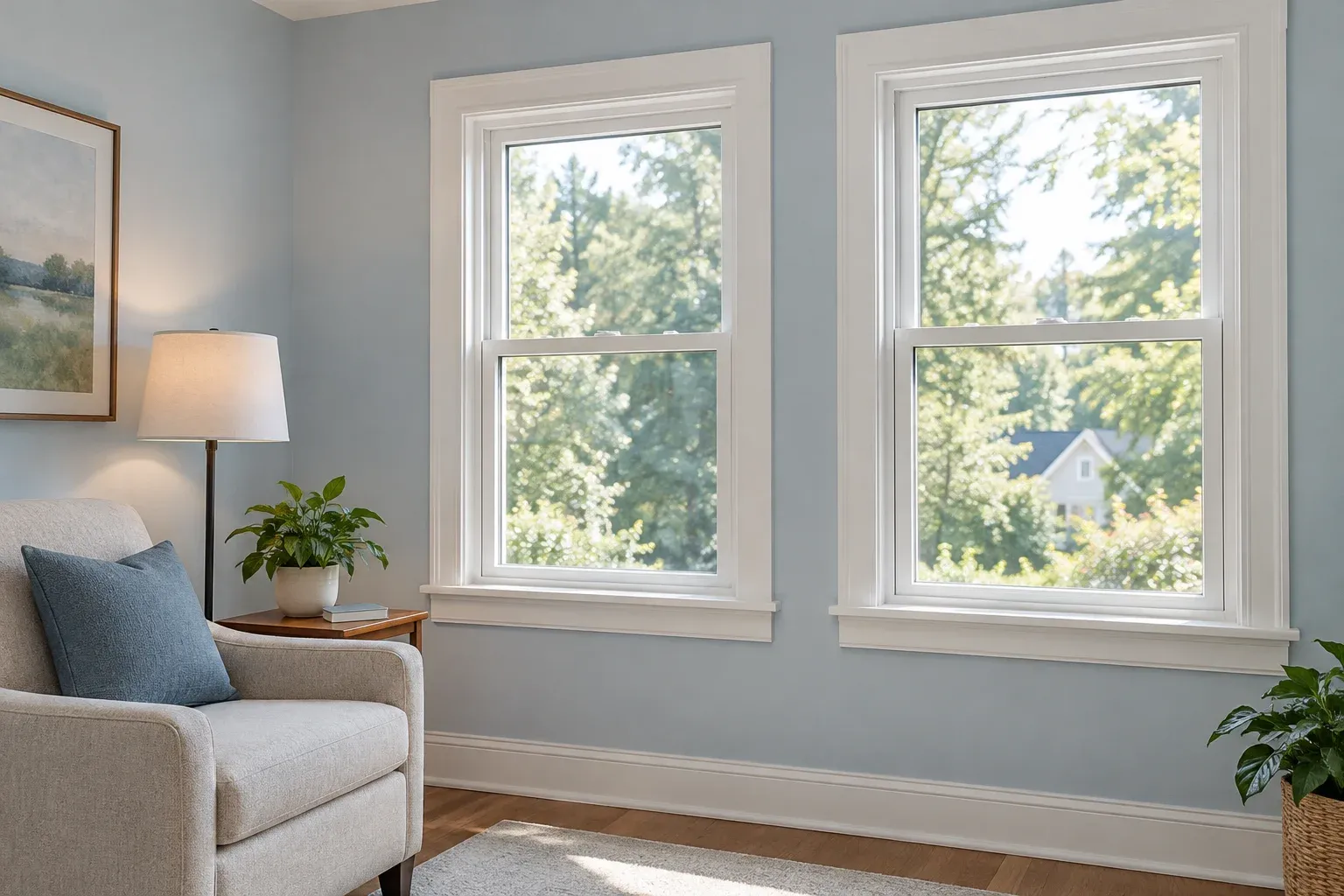
Start With the Window and the Finished Room
Window replacement in Alpharetta can change more than the glass and operating hardware. If you have carefully maintained painted casing, matching doorway trim or a wall color you want to keep, the installation approach matters. An insert may preserve more surrounding material, while full-frame replacement opens up more of the assembly. Neither label, by itself, tells you exactly which painted surfaces will remain untouched.
Treat Window replacement planning as two connected decisions: which installation approach suits the opening, and how the room will be restored afterward. An installer needs to evaluate suitability; appearance alone cannot establish it. Your role is to document what matters, ask where removal will stop and compare proposals that distinguish installation from carpentry, wall repair and painting. That makes the finished result easier to judge before work begins.
Document What You Want to Keep
Photograph each opening straight on and from an angle before comparing proposals. Include the casing, the horizontal interior ledge often called the sill, the apron beneath it and the adjoining wall. Record which details you want retained: a particular molding profile, narrow paint lines, matching corner joints or the relationship to nearby doors. Note existing cracks and chips separately so they do not become confused with installation disturbance.
Distinguish keeping the wood from keeping its current finish. Casing can survive removal yet need nail-hole repairs and repainting; it can also remain attached while nearby work marks its edges. If crisp molding details are important, the guidance on preserving detail on previously painted molding helps define that finish goal. Save the paint label and sheen if available, but do not assume an older coating will accept an invisible touch-up.
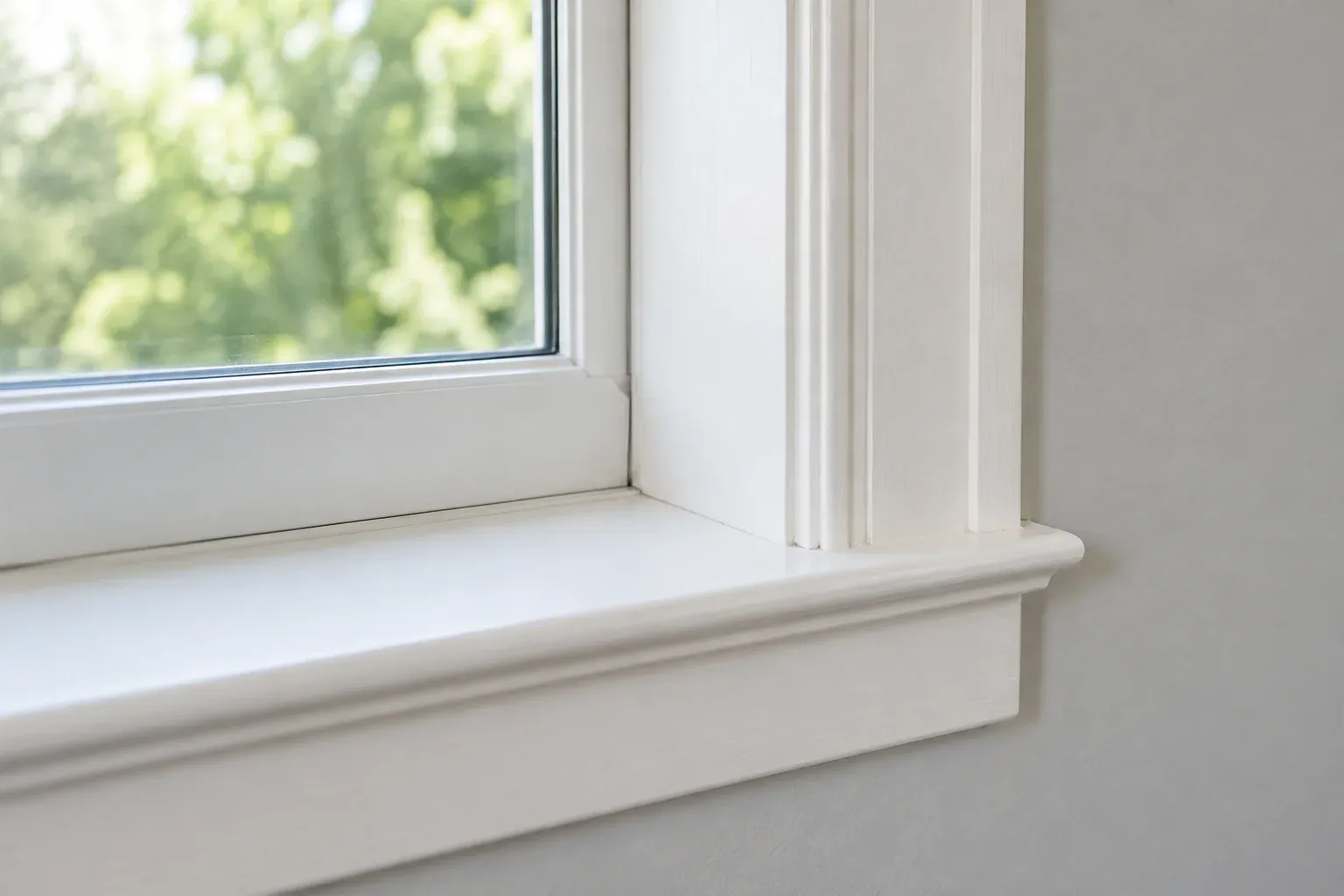
Compare Inserts by Retained Material and Visible Proportions
An insert replacement generally places a new window unit within a retained existing frame after designated components are removed. This can limit disturbance to the main interior casing and adjacent wall. However, stops or liners may still change, and the exact work depends on the existing assembly and replacement product. Ask the installer to point out those pieces on your actual window rather than relying on a broad promise to preserve trim.
Also compare the proposed visible proportions. Fitting a new frame inside a retained frame can reduce the glass area and create a wider-looking border, although the effect varies by product and opening. Request dimensions or a representative product sample. Consider the view from across the room, not just beside the sill. An insert is not automatically appropriate where retained material is deteriorated, distorted or concealing an unresolved water problem.
Compare Full-Frame Work by Its Removal Boundaries
Full-frame replacement generally removes the existing window frame as well as the sash, allowing the opening to be addressed more extensively. Depending on the assembly and installation method, interior casing, jamb extensions or surrounding finishes may need removal or alteration. It does not automatically mean every piece of trim must be discarded. Ask whether sound casing can be carefully removed and reinstalled, and what happens if a piece splits.
The broader access may reveal conditions that were not visible beforehand. Agree on how discoveries will be documented and authorized before repairs proceed. The planning principle in dealing with damage you cannot see yet applies here: distinguish the known scope from a clearly defined process for concealed conditions. Trim preservation should remain a preference, not a reason to cover deterioration or leave an unsuitable frame in place.
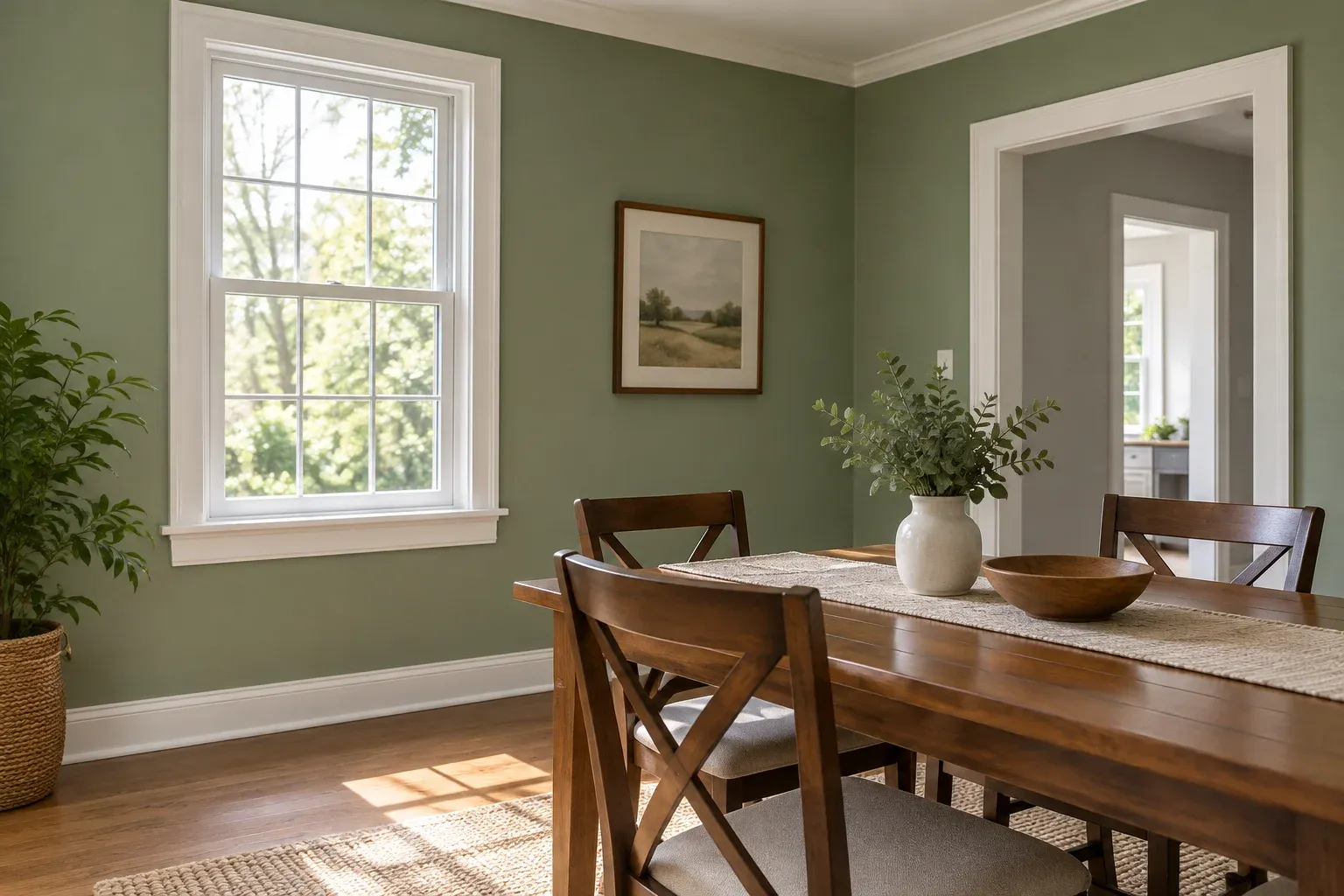
Put Installation and Restoration in Separate Scope Lines
Ask for a marked photograph or written component schedule showing what stays, what is removed temporarily and what is replaced. Include interior stops, casing, ledges, aprons and wall edges, rather than accepting “trim included.” If replacement molding is proposed, compare its thickness and profile with adjacent woodwork. The same visual issue discussed in matching replacement materials to the rest arises when one new casing looks noticeably different from its neighbors.
Then assign responsibility for each finishing task. Who reinstalls salvaged casing, fills nail holes, repairs torn drywall paper, primes exposed material and applies finish coats? Coordinating baseboard painting with new flooring illustrates why overlapping trades need explicit boundaries, even though the components differ here. For windows, clarify which joints receive manufacturer-specified sealants and which decorative joints receive paintable treatment. Painting must not obstruct drainage openings, weatherstripping or moving parts.
- Identify retained, salvaged and new components separately.
- Name the party responsible for each repair and finish.
- Set a written approval step for concealed damage.
- Define the final painting boundaries before removal.
Plan Repainting Around Complete Surfaces
Estimate repainting by affected surfaces, not simply by the number of windows. Small repairs can remain visible because of differences in sheen, texture or aging. Repainting the complete casing assembly may look more consistent than dabbing individual repairs. If removal damages the wall beyond the casing, decide whether a localized repair is acceptable or whether the wall should be painted to a natural stopping point, such as an inside corner.
Preparation still determines whether those finishes look coherent. Sherwin-Williams' trim-painting guidance includes cleaning, smoothing, filling defects and priming bare or repaired areas. Resolve moisture sources before cosmetic restoration; a paint-ready handoff should establish that repairs are complete and surfaces are suitable for coating. Follow the selected products' preparation and drying instructions rather than treating new paint as a way to hide unfinished repair work.
For a pre-1978 home, discuss lead-safe requirements before anyone disturbs old painted components. EPA identifies window-related friction surfaces and renovation dust as potential lead hazards, and Georgia administers an authorized renovation program. Ask the responsible contractor how applicable requirements will be met; retaining the main casing does not eliminate the need to consider painted-surface disturbance elsewhere.
Choose a Complete Scope, Not Just an Installation Label
The better choice for window replacement in Alpharetta is the suitable installation approach paired with an explicit restoration plan. Compare what remains, the resulting frame proportions, the likely wall disturbance and who completes each finish. Keeping those decisions together protects the room's appearance without making painted trim more important than the condition and performance of the opening itself.
Frequently asked questions
Does an insert window always let me keep the existing casing?
No. Insert installation often leaves the main casing in place, but stops, liners or other adjoining pieces may need removal. Frame condition and the selected product also matter. Ask the installer to identify each retained and removed component in writing.
Will full-frame replacement require repainting the whole room?
Not necessarily. The painting scope depends on trim removal, wall damage, existing paint condition and how well repairs blend. A complete wall plane or full casing assembly may provide a better stopping point than isolated touch-ups, without requiring every room surface to be repainted.
Should trim preservation determine which replacement method I choose?
It should inform the decision, not override window suitability or moisture concerns. Have the installer evaluate the existing opening and explain the appropriate options, then compare the restoration work needed to achieve the appearance you want.