
Siding Repair in Alpharetta: Planning for Damage You Can’t See Yet
A homeowner’s guide to setting siding repair boundaries, documenting hidden damage, and approving changes before the project moves into painting.
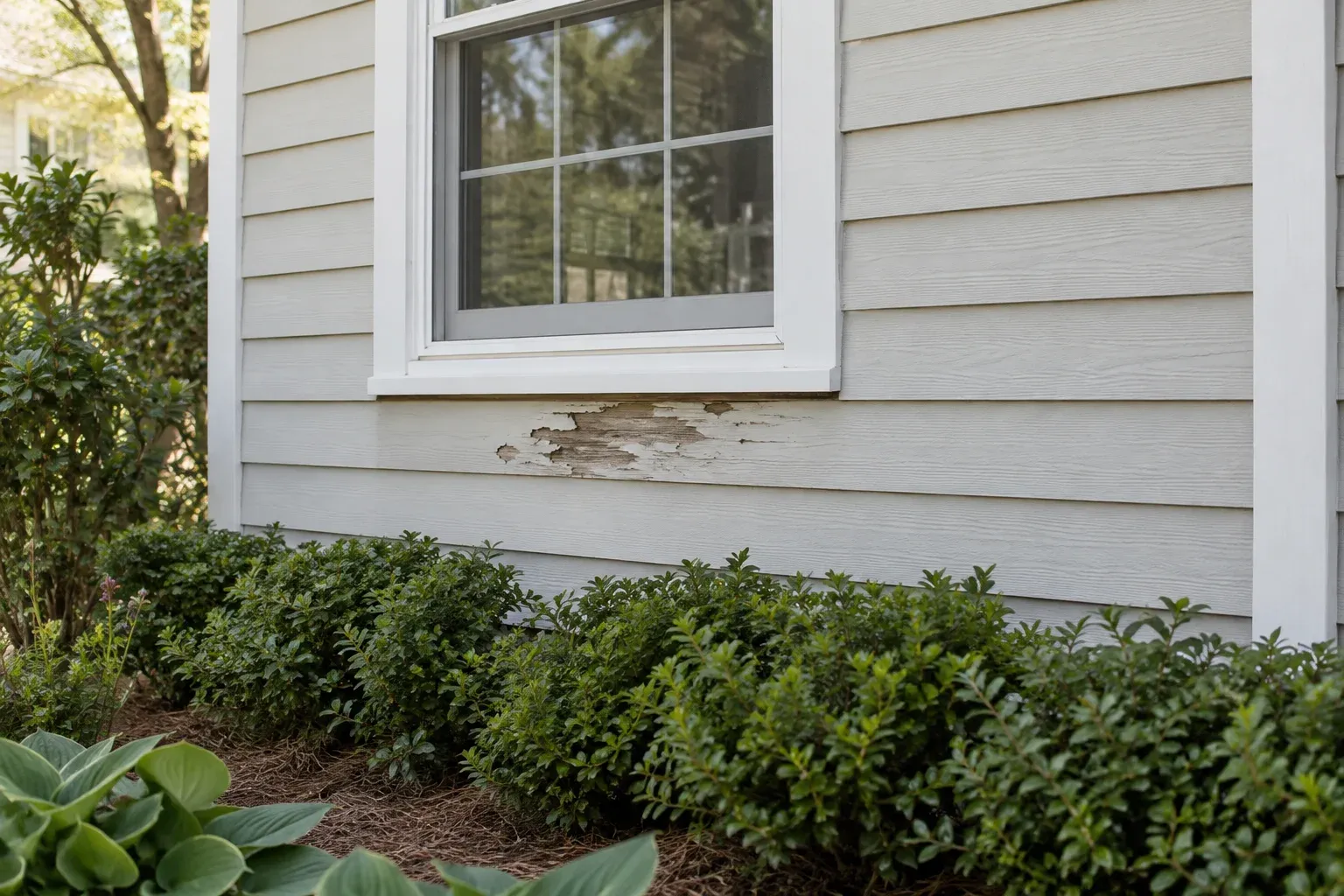
Define the Starting Point Without Pretending Everything Is Visible
Planning siding repair in Alpharetta gets complicated when the visible problem is small but the condition behind the boards is unknown. A deteriorated edge may identify where work should begin without showing where it should end. For a homeowner maintaining a house for the long term, the useful question is not whether someone can predict every concealed defect. It is how the written scope will separate known work from uncertainty and preserve a clear decision point if removal reveals more damage.
A useful scope therefore needs both a starting boundary and a method for changing it. It should describe the initial area, identify assumptions, explain what happens when those assumptions prove wrong, and name the conditions required before painting proceeds. This is practical project planning, not legal advice. The goal is to prevent an understandable discovery behind the siding from becoming an undefined expansion of work, an unexpected material choice, or a rushed decision made while part of the wall is open.
Document the Initial Repair Area
Start with photographs that locate the concern on the house. Pair a wide view of the wall with a closer view of the affected boards, using permanent landmarks such as a window, corner, or doorway. Describe the wall by an agreed orientation rather than relying on “the left side,” which changes with the viewer’s position. Record observable conditions, such as a split board or swollen edge, without treating every stain or patch of peeling paint as proof of concealed decay.
The written description should identify the boards or bounded wall section initially included, plus nearby features that must remain protected. Ask whether removal of neighboring boards may be necessary for access even if those boards appear sound. Distinguish that access work from repair of newly discovered damage. For example, “localized siding below the rear window” becomes more useful when accompanied by a marked photograph and a description of the intended endpoints, rather than an open-ended promise to repair whatever is needed.
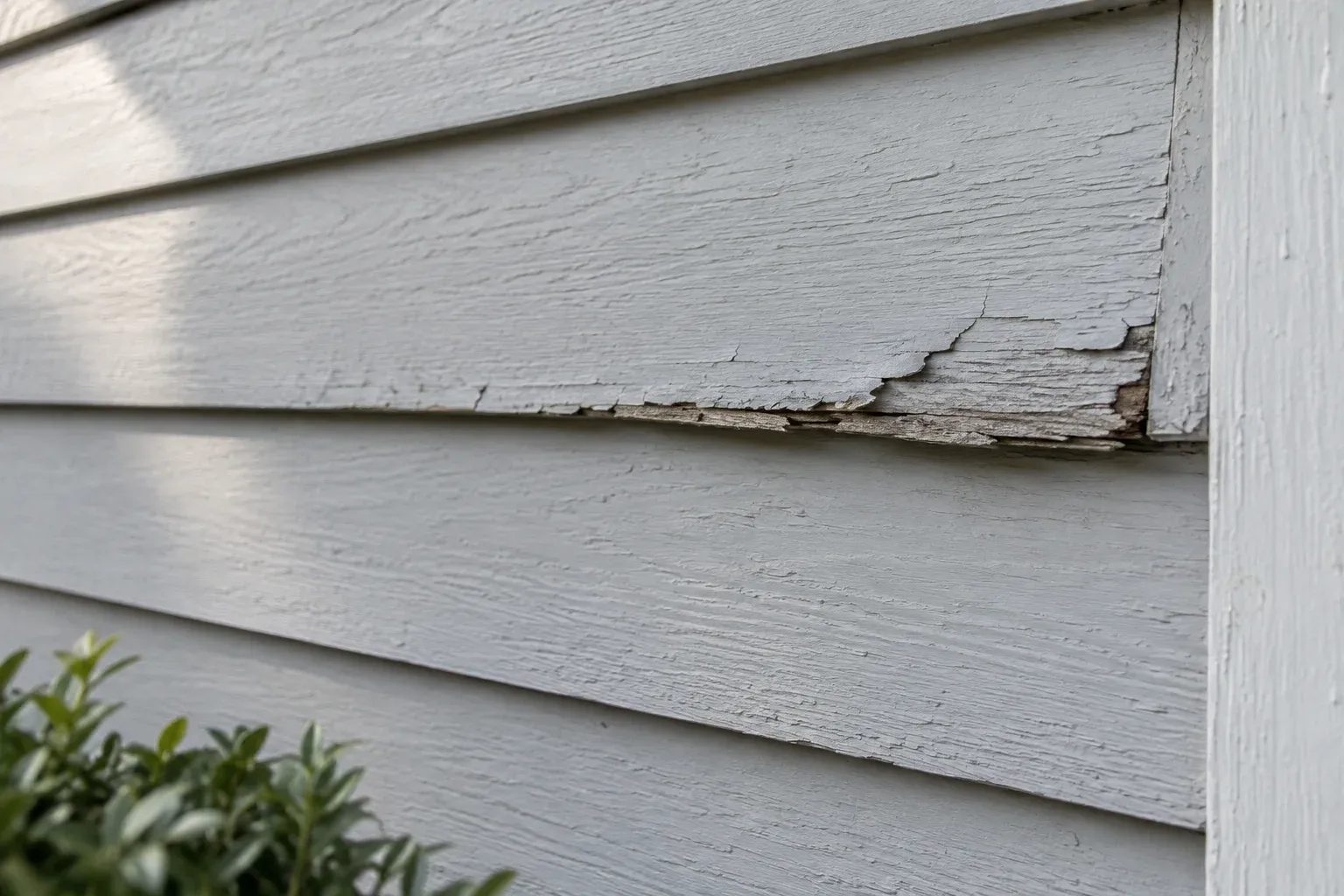
Separate Confirmed Work From Provisional Work
Confirmed work is the work included on the evidence currently available. Provisional work depends on something that has not yet been established, such as the condition of sheathing behind a damaged board. Keep those categories separate. A reference to possible concealed damage should not read like permission to replace an unspecified wall area. Likewise, an initial scope should not suggest that concealed layers are sound merely because the exposed siding around the concern looks acceptable from outside.
Ask the written scope to identify important exclusions and unresolved questions. These might involve concealed backing, adjacent trim, or the source of water reaching the affected area. An exclusion does not make a problem irrelevant; it tells you that a separate decision may be necessary. The FTC’s Hiring a Contractor guide recommends describing what a contractor will and will not do and explaining how changes are handled. That distinction is especially useful when comparing proposals that appear similar but assume different repair limits.
Agree on a Pause Before Expanding the Repair
Before removal begins, agree on the discovery checkpoint: the point at which work outside the original boundary pauses for homeowner review. Ask for photographs showing the newly exposed condition and its location relative to the original repair area. A useful explanation distinguishes what is visibly damaged, what remains uncertain, and why the proposed boundary needs to move. If the finding suggests structural concerns or another specialty, clarify who must evaluate that issue before the repair can continue.
The pause also needs a practical protection plan. Discuss who will arrange temporary weather protection, what work may continue within the original authorization, and how the homeowner will receive the proposed change. Identify the person authorized to approve it and an alternative contact arrangement if that person is unavailable. Temporary protection should not depend on an immediate decision about permanent repairs. Keeping those decisions separate gives the homeowner room to understand the finding without overlooking the need to protect exposed construction.

Make Each Change Specific Enough to Review
A useful change authorization connects the discovery to a specific revision. It should describe the additional location, proposed work, replacement materials, effect on cost, and any schedule change. It should also identify which original assumptions no longer apply. Avoid descriptions such as “extra repairs approved” that leave the actual work unclear. Keep the authorization, supporting photographs, and any revised scope together so everyone can distinguish the original commitment from the later decision without relying on a remembered conversation.
Material choices deserve their own confirmation when the proposed replacement differs from the existing siding. Ask about profile, thickness, exposed width, texture, and the transition to retained boards. A sample helps make those choices concrete. The same decision-before-commitment principle appears in the guide to checking a cabinet refinishing sample door: agree on the relevant visible characteristics before authorizing the larger step. For siding, record the selected material and any accepted mismatch instead of assuming paint will make different board profiles look identical.
- Identify the newly affected area and the reason for expanding the boundary.
- Describe added work, materials, exclusions, and changes to cost or timing.
- Record homeowner authorization before additional permanent work proceeds.
Record What Must Be Finished Before Painting
Treat permission to paint as a separate checkpoint, not an automatic consequence of replacement boards arriving. Record which repairs must be complete, which moisture concerns must be resolved, and who will confirm that the affected area is ready for coating. Sherwin-Williams’ surface preparation guidance calls for dry, sound surfaces and removal of contamination that can interfere with adhesion. The planning implication is straightforward: a painting date should not override unresolved repair conditions or the coating manufacturer’s preparation requirements.
For siding repair in Alpharetta, the final planning record should connect the original photographs, approved changes, completed repair boundaries, and remaining painting responsibilities. If repair and painting involve different parties, identify who communicates readiness and who handles any outstanding item. Keep a dated set of completion photographs before coatings obscure repair details. A well-defined scope cannot eliminate hidden damage, but it can keep each discovery tied to evidence, a homeowner decision, and a clear next step for the Alpharetta home.
Frequently asked questions
Can a siding repair scope be useful before hidden damage is visible?
Yes. It can identify the initial work area, describe what remains unknown, and establish when additional findings require homeowner approval. A useful scope manages uncertainty rather than promising that concealed conditions are already known.
What should I request before approving additional siding work?
Request photographs tied to the original location, a description of the newly exposed condition, proposed repair boundaries, material details, and the effect on cost and timing. Keep the authorization with the original scope.
Should painting proceed if part of the repair is still unresolved?
The affected area should remain outside the painting release until the outstanding repair and moisture questions are resolved. If other areas will proceed independently, identify those boundaries and responsibilities in writing.